
In today’s workplaces, teams often span five or even six generations, from Builders to the emerging Gen Alpha. While this diversity is a strength, it also presents a challenge: how can colleagues communicate and collaborate effectively across different age groups?
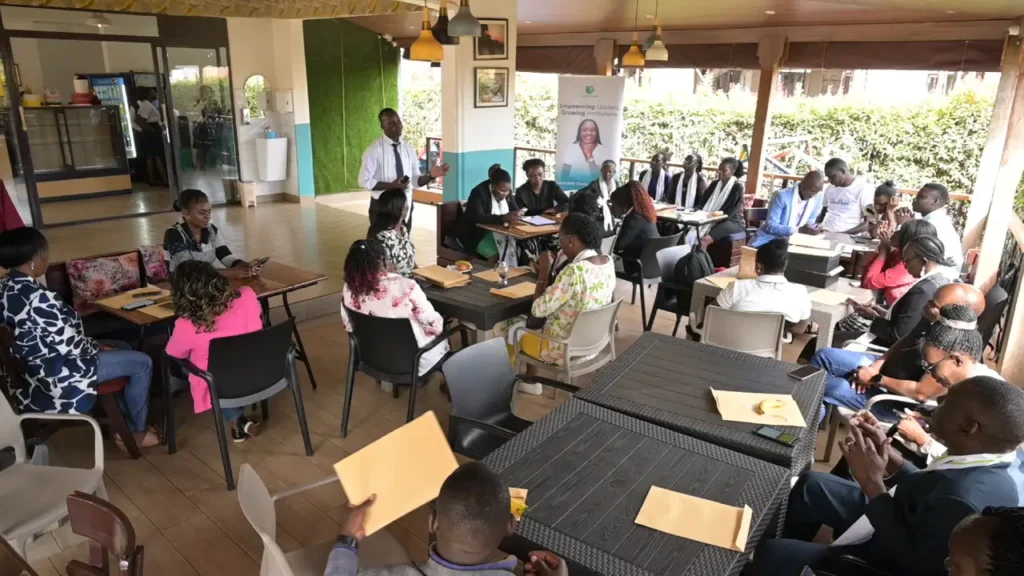
A recent mentorship session organized under the Head2Head mentorship and retention program tackled this very question. Led by Dr. Ann Mugunga, the session explored strategies for navigating a multi-generational workforce and fostering genuine connection between team members of all ages.
Participants examined the characteristics, values, and communication styles of each generation:
Builders: (1929–1945): disciplined and strong work ethic
Baby Boomers: (1946–1964): loyal, competitive, and resourceful
Gen X (1965–1984): independent, skeptical, and adaptive
Millennials (1983–2000): collaborative, tech-savvy, and purpose-driven
Gen Z (2001–2010): entrepreneurial, connected, and socially conscious
Through storytelling, videos, group exercises, and reflective discussions, participants gained insight into how each generation experiences work, collaboration, and leadership. One interactive exercise had attendees pair up across generations to reminisce about what was “cool” during their high school years—a simple yet powerful way to uncover shared values and different perspectives.
A key theme of the session was challenging generational stereotypes. Dr. Ann highlighted the pitfalls of assumptions like “Millennials are lazy” or “Gen Z is overly sensitive,” emphasizing that such labels can block understanding and limit collaboration. Instead, she encouraged approaching colleagues with humility, curiosity, and respect:
“We don’t connect by judging. We connect by listening, asking questions, and seeking to learn—not to win an argument.”
The session also included practical strategy mapping, where participants worked in generational groups to develop approaches for connecting, communicating, engaging, motivating, and influencing across age groups. Discussions addressed real workplace challenges such as different work paces, value systems, and communication preferences. Ideas to foster multi-generational teamwork included:
- Establishing clear communication norms
- Launching reverse mentoring programs
- Ensuring every generation has a voice in key organizational decisions
The overarching takeaway was clear, leaders today are 360-degree influencers. Success isn’t just about managing teams; it’s about building bridges across age, mindset, and experience. By understanding, respecting, and learning from one another, multi-generational teams can turn diversity into a powerful advantage.
LESSONS:
Teamwork is more than working together, it’s learning from each other
Strong teams grow when curiosity replaces judgment and differences become strengths.
🌍What generation are you learning from today?
🌟 What values do you share across ages?
🎯 How are you creating space for every voice?
QUESTION: What’s one lesson you’ve learned from someone in a different generation?
👇 Share below
#Head2HeadNetwork